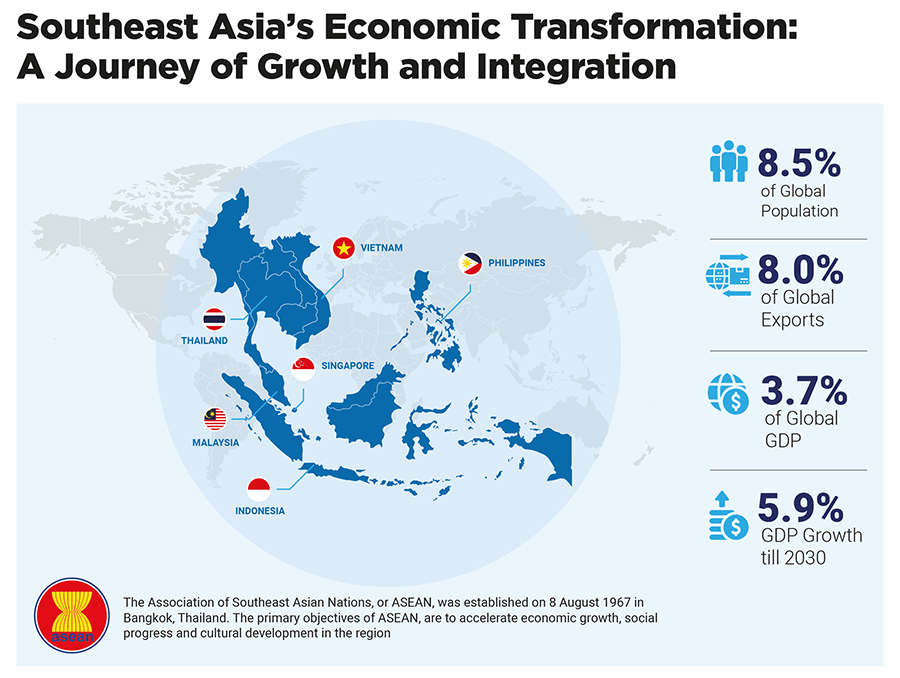
Southeast Asia manufacturing growth in 2026: Why are manufacturers expanding across SEA?
The global manufacturing landscape is shifting, and Southeast Asia manufacturing is emerging as a key driver of this transformation. As companies diversify production beyond traditional hubs like China, Southeast Asian markets are becoming strategic locations for building more resilient and efficient supply chains across industries including electronics, semiconductors, automotive, medical devices, and consumer goods.
In 2026, Southeast Asia is strengthening its position within the wider APAC manufacturing ecosystem, with countries such as Malaysia, Vietnam, Thailand, Indonesia, Singapore, and the Philippines competing and developing specialized capabilities to attract global investment. Such competition is highlighted in the 2026 Asia Manufacturing Index (AMI).
What is the Asia Manufacturing Index (AMI) 2026?
The 2026 Asia Manufacturing Index (AMI), published annually by Dezan Shira & Associates, provides a clear benchmark of manufacturing competitiveness across 11 key Asian economies.
The index evaluates critical factors that influence manufacturing decisions, including competitiveness, infrastructure, cost structures, and ease of doing business. It provides valuable insights into where manufacturing is heading in Asia, where new opportunities are emerging, and how countries are competing for global investment.
For manufacturers and investors, the AMI helps to:
- Identify emerging manufacturing hubs beyond traditional locations
- Benchmark countries across key operational factors
- Support site selection and investment strategies
- Understand shifts in regional competitiveness
In short, the AMI reflects how global manufacturing priorities are evolving and highlights where the next generation of manufacturing opportunities is developing across Asia.
What is driving the changes manufacturing shifts in Southeast Asia 2026?
The shift of manufacturing in APAC is driven by a combination of structural and strategic factors, from global supply chain changes and geopolitical uncertainty to new growth opportunities across the region.
Supply chain resilience
and geopolitical changes
Trade tensions, tariffs, and global uncertainty are encouraging companies to reduce reliance on a single manufacturing location and expand into multiple Asian markets.
Rising costs and
skilled workforce availability
As costs increase in some established manufacturing hubs, Southeast Asia is attracting investment with competitive operating environments and a growing skilled workforce.
Growing regional demand
A rising middle class across ASEAN and India is creating new demand for locally produced goods, while industries such as semiconductors, electric vehicles (EVs), and advanced manufacturing continue to expand.
Government support
and infrastructure growth
Industrial incentives, trade agreements, and improvements in ports, logistics, and industrial zones are making Southeast Asia more attractive for global manufacturers.
Together, these trends are reshaping Asia’s manufacturing landscape and strengthening Southeast Asia’s position as a key destination for future manufacturing growth.
2026 Country snapshots: Manufacturing momentum across Southeast Asia
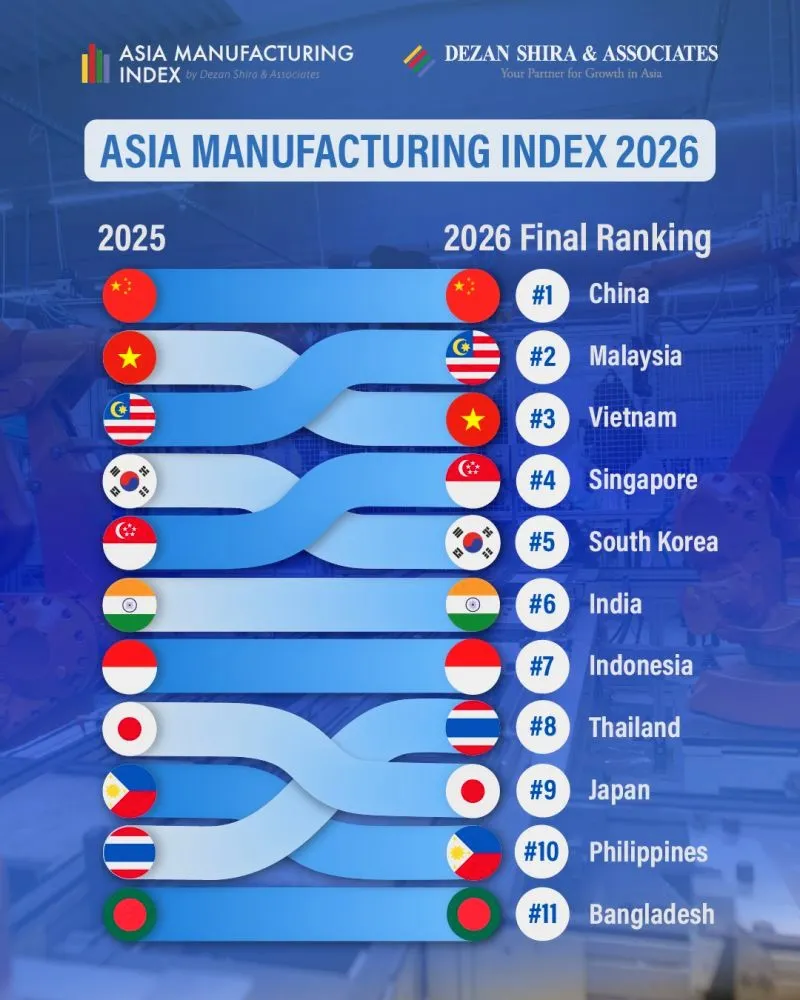
Malaysia’s rise to 2nd place in the AMI 2026, overtaking Vietnam, is one of the year’s most significant developments. The country’s strong performance reflects its successful shift toward higher-value manufacturing, particularly in electronics, electrical products, and semiconductors.
Its growing appeal to manufacturers is driven by a business-friendly environment, strong infrastructure, and a strategic location at the heart of ASEAN. Combined with its deep integration into global supply chains, these advantages make Malaysia an increasingly attractive destination for advanced manufacturing and regional operations.
Although Vietnam slipped to third place in the AMI 2026, it remains one of Asia’s leading manufacturing destinations. The country remains a major destination for foreign investment, supported by competitive operating costs, a skilled labour force, and strong export capabilities.
Vietnam has established itself as a key hub for electronics assembly and export-oriented manufacturing, making it a popular choice for companies looking to diversify production across Asia. While infrastructure development must keep pace with growing demand, the country’s long-term manufacturing outlook remains highly positive.
Singapore climbed to fourth place in the AMI 2026, driven by strong growth in advanced manufacturing sectors, particularly electronics and aerospace. Singapore’s skilled workforce, R&D ecosystem and intellectual property framework make it a preferred destination for advanced manufactured products that do not rely too much on labor for manufacturing.
In recent years, Singapore’s growth has been fueled by a strong demand for AI-related electronics and growth in aerospace production have supported industrial expansion.
Indonesia retained its 7th position in the AMI 2026, supported by its rich natural resources and growing industrial capabilities. The country has strengthened its position in the global EV battery supply chain, leveraging its abundant nickel reserves to attract investment in electric vehicle and battery manufacturing.
Combined with economic stability, a growing domestic market, and continued industrial development, Indonesia is well positioned for long-term manufacturing growth and remains a key market to watch.
Thailand’s rise from 10th to 8th place in the AMI 2026 highlights its growing competitiveness as a manufacturing destination. Supported by its strategic location, strong existing infrastructure, and expanding industrial capabilities, the country offers businesses efficient access to ASEAN and wider Asian markets.
Thailand is also investing in future-oriented sectors such as automation, robotics, and digital industries, further strengthening its appeal for regional manufacturing operations and long-term industrial growth.
The Philippines continues to make steady progress in the AMI 2026 as an emerging manufacturing destination. The country is strengthening its capabilities in higher-value industries such as semiconductor testing, electronics, and medical device manufacturing.
While growth remains gradual, continued investment in workforce development and industrial capabilities is helping the Philippines capture a larger role within regional supply chains and strengthen its position as a future manufacturing destination in Asia.
Future outlook: what is next for the manufacturing sector in Southeast Asia?
Southeast Asia’s manufacturing sector is entering a new phase of growth. The region is becoming more technology-driven, connected, and specialized, with industries such as semiconductors, electric vehicles, renewable energy, and smart manufacturing driving the next wave of investment.
This trend towards specialization mean that the future of manufacturing Southeast Asia will not depend on one single hub. Instead, the region will operate as a connected network where companies can combine different locations, capabilities, and supply chain strengths. Here, integration of the different countries and the capabilities for companies to operate at a regional level will become increasingly important.
Conclusion
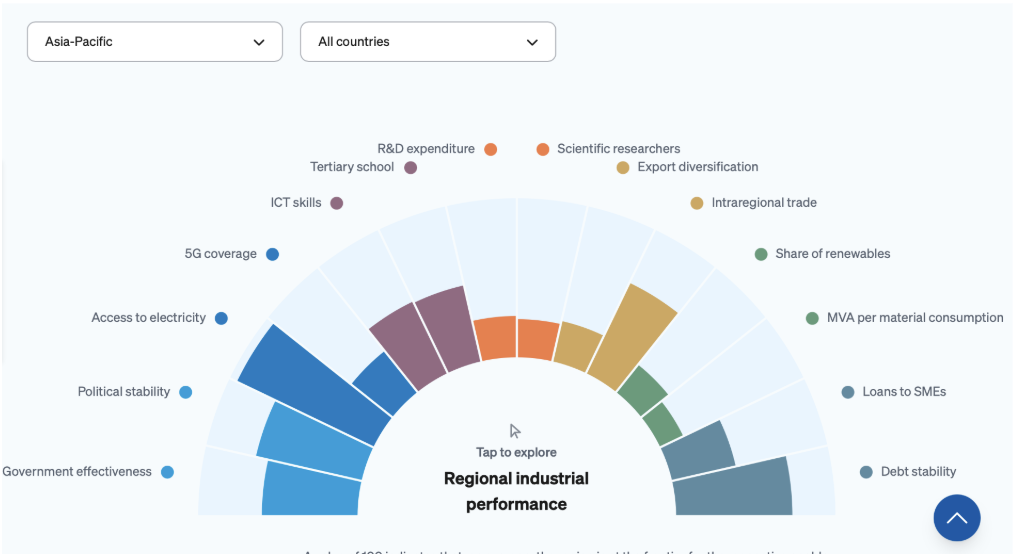
The Asia Manufacturing Index 2026 highlights an important shift in Asia’s manufacturing landscape: there is no single “best” manufacturing destination in Asia. Each market offers different advantages, and the right choice depends on a company’s goals, industry, and supply chain needs.
Malaysia, Vietnam, Singapore, Thailand, Indonesia, and the Philippines each play a different role in the region’s manufacturing growth from advanced electronics and semiconductors to EV production, skilled workforce development, and regional market access.
As companies continue to diversify their operations, the future of manufacturing in Asia will not be built around one dominant hub. Instead, success will come from creating flexible, multi-country strategies that combine the strengths of different markets across Southeast Asia.
For businesses looking to expand, understanding these changing dynamics will be key to building more resilient, competitive, and future-ready manufacturing operations.
Explore our insightful articles on APAC marketing strategies for more insights
- Local SEO for Southeast Asia B2B success
- B2B marketing trends: Essential strategies for manufacturers
- Go-To-Market strategies for success in Southeast Asia
Discover how Reachlane can help you navigate these trends and position your brand for success in APAC.
Sources
1. 2026 Asia Manufacturing Index (AMI) (link to report)
2. Featured image source by The International Investor (link)